Note that recently I have started a new business called Bridge2Wellbeing. This includes launching a new website http://www.bridge2wellbeing.ca
Thanks for checking out all of my blogs on juliefoxcroft.com. These have been moved over to that site and all new posts, including todays post have been moved to this site.
Thanks for taking interest. And if I do not see you onY the new site I wish you joy and happiness!
I believe in the power of PAUSE. Building the habit of a pause leads to co-creation. Leads to empathy. Curiosity. Intentional Impact.
There are numerous studies on the value of mindfulness, which is essentially your ability to PAUSE and notice what is going on without judgement. Practicing mindfulness, in whatever form works for you, helps you increase that muscle strength to be present and in choice.
I can remember once being on a beautiful island that oozed with rest, and relaxation and people focused on simply “being”. As one trip came to an end, I recall an individual saying with a bit of sorrow “We go back to the real world tomorrow”. And another quickly replied, “No this is the real world. Where we go tomorrow is the experiment”.
It was an interesting thing to ponder that each day as we go about our jobs, taking care of our families, relationships, etc., – that this is the experiment for us to continually learn and refine. That those places and moments where we feel truly relaxed and comfortable and natural – that those are the authentic moments. And everything else is a version of us trying to be authentic but in a different set of conditions. Challenges. Tests.
By practicing mindfulness, we are practicing increasing our meta-cognition muscle. Which is essentially the ability for our brain to pause, look around, assess the situation and with greater awareness of what is the present act. Action that is more creative vs. reactive. Action that is more authentic to who we would more naturally be if we were on a faraway island with a beautiful sunset just off the distance of the blue horizon.
The below videos are short snippets of different ways we can PAUSE. Each comes from the book PAUSE… which can be purchased on Amazon. The authors created 52 different ways for us to embrace a PAUSE and as such practice mindfulness.
If you enjoy these videos and would like to dive deeper into the technique of meditation, a more specific form of mindfulness practice, then my favourite tools and leaders in this area are below.
My Favourite Mindfulness Leader
Pema Chodron – Check out her Audible Collection call The Pema Chodron Audio Collection or find her on YouTube
My Favourite Mindfulness App
Insight Timer is the #1 free app for sleep, anxiety and stress with more than 100k guided meditations led by the best teachers from around the world
Link
From a Podcast – The Value of Regret
Another one from Armchair Experts, this time with Daniel Pink diving into fifty years of social science on the topic of regret. Everybody has them (except for 5 years olds and sociopaths). And at the end of the day regrets make us better. In his research, he gathered about 16,000 regrets from people in over 100 countries. And he found the same four core regrets were found around the world. These are:
Foundation Regrets or not building a foundation to stability (i.e., not eating well, saving money, taking care of my body, etc) which sound like “if only I had done the work …”
Boldness Regrets or not taking a chance or a smart risk – “if only I had taken the chance…”
Moral Regrets or not doing the right thing (i.e., not speaking up for others, cheating, etc.,) – “if only I had done the right thing…”
Connection Regrets or not reaching out to someone you care about or keeping the connection. – “if only I had reached out..”
Daniel went on to share that by reflecting on our regrets we begin to understand what we value the most. From Daniel’s research, he found that collectively we have these four common values that are tied to the four core regrets: stability, the chance to take risks, doing the right thing, and having people that love you and you love in your life. Reflecting on regrets gives us direction to a life well-lived.
3 step process to remove some of the negative feelings that are commonly tied to regrets
Treat ourselves with self-compassion and kindness. Recognize that what we are going through is part of the shared human experience
Disclose our regret which relieves some of our burden and gives us a space to talk about our regrets and begins the sense-making process
Extract a lesson from the regret.
You can also check out Daniel’s TedTalk on this topic.
From a Book – Tools of Oppression
Atlas of the Heart, the latest book by Brene Brown, is by far my favourite of the many books that I have read/listened to. The short summary of her latest research is about identifying key emotions that are important for us to understand so that we can better understand ourselves. The analogy Brene gives in the book for why is to imagine you go to the hospital with a broken arm but when you attempt to communicate with the doctor you do not have the words for the arm or how it hurts. You can only grunt in pain. Having the full range of language allows us to communicate our pain and our needs.
My favourite learning from the book is the section that covers humiliation and shame and the relation they have with violence. Brene is well known already for her work on shame, as seen in her 2012 TedTalk. In the book, Brene references several researchers who helped to uncover new insights in the field which I have summarized here:
Ten violent school shootings from 1996 to 1999 identified that “In every case, the shooter described how they had been ridiculed, taunted, teased, harassed or bullied by peers because of their inadequate appearance, social or athletic behaviour; spurned by someone they were romantically interested; or put down by a teacher or administrator. All events that lead to profound humiliation.”
Correlations between peer rejection, humiliation, depression and anger clearly exist and show an increase to suicidal and homicidal ideation.
Key to all of this is the notion that bullying alone does not lead to aggression but bullying + humiliation do.
Profound to me was the connection Brene makes to bullying within organizational and community cultures. We are become more “woke” about the systemic issues that exist in cultures, particularly work cultures, that do not pay close enough attention to psychological safety, or worse, create systems that allow, possibly even encourage, the behaviour of belittling others when they do not meet what are likely unreasonable expectations. “Humiliation can trigger a series of reactions, social pain, decreased self-awareness, decreased self-regulation, and increased self-depreciation. “ It’s not bad enough that the humiliation occurs at all but adding to it the psychological impacts that occur it is clearly another form of oppression.
The antidote to shame, per Brene, is empathy. Both for the victim and the perpetrator. Clearly, for the victim, it is important to make that connection so they do not feel alone as that is a key ingredient to growing feelings of shame. But also for the perpetrator. Why? I, like most people, want to punish the perpetrator for being such an asshole and often that punishment looks a lot like shaming or humiliating them. What is needed is to hold them accountable for being better. None of us are perfect. I can definitely remember moments when I have used shame and humiliation as a form of punishment. I let my own anger get the better of me. It’s OK to be angry but not to humiliate. Accountability is the key.
A final bit of learning from Brene were the steps to get out of shame, straight from the book:
Recognize the triggers that put us in shame and name them. We can’t pretend that shame is not happening and then get swept away with it. Notice you’re feeling it and name it.
Practicing critical awareness, which I think is particularly helpful in organizations and team relationships. Reality checks the expectations for potentially driving shame if we do not meet them.
Reaching out to others and sharing our story of what’s happening and what we are feeling. We can’t experience empathy, the key antidote to shame if we aren’t reaching out.
From Social Media – Stay Curious
This one I am still reflecting on to complete the learning. And unfortunately, the tweet that this learning originated from seems to have been removed so I suspect I will need to engage with others on this topic. The net of it was there were conversations going on amongst a specific cultural group, criticizing a very public situation that involved members of that cultural group, and people not in that cultural group were sharing their POV as well. The non-members of the cultural group were told, in so many words, to stay out of it as they did not appreciate the cultural sensitivities at play. That person respectfully did, which quite frankly is unusual for social media communication but not for this particular person.
In any case, I was a bit confused by it all as I did not think the public situation itself had anything to do with the culture each person was from. My perspective about the incident was regardless of the culture they were from. Yet clearly others did not feel the same way. Unfortunately, I didn’t get to read the thread in detail before it appears to have been removed so I feel I have missed an opportunity for learning. But now I’m curious and that is the first step to learning. Regardless my learning is simply a reminder that there will always be different perspectives on any situation and one to continually ask myself is there a unique cultural perspective here as well. And be thankful for the emotional labour any individuals from that culture so graciously share.
From a Real Person Interaction – Don’t Jump
This is a little connected to the 5th learning topic around fears. My husband has had a long-standing fear of heights which I’m remorse to admit that I have not always been the most compassionate about. After my fear incident (see below) I asked him what does it feel like when his fear is triggered. I was quite surprised by his answer which was he feels like he is going to jump off.
I did a little research and uncovered that there are lots of different reactions to fear of heights including some of the same symptoms I experienced with my fear of tight spaces. One of which is the fear of being trapped in a high position which I can see how might lead to the thought of jumping off, which would clearly be an illogical thing to do. Our brains really do work in the most mysterious way.
Going forward, when he and I are in a situation that could trigger his fear, I will remember to reassure him that we will be out of this situation very soon and not to jump.
From Myself – Facing Fears vs Adapting
Late in life, I realized that I had a fear of small spaces also known as claustrophobia. I was out with friends on a sailing trip around the Georgia Straight. It was all very relaxing until nighttime and I climbed into bed with my husband. Our cabin was actually a decent size as far as sailboats go (sorry I can’t tell you how big of a boat it was only that it slept about five as I recall). In any case, at some point early in the night, I realized I could not sleep and so I moved into the main area of the boat, the galley, and slept uncomfortably on a bench. The 2nd-night sleeping had the same experience. I did not really connect that it was the smallness of the space and attributed it to the heat or my husband’s snoring or possibly the wine.
But then about five years later I was only another sailboat (big enough for eight) and the experience was even more heightened. This time the space was slightly tighter and what I remember most was having this feeling that I could not breathe. So I got up and moved on deck, where I slept for the rest of the week. I have even more recently had a similar experience sleeping in a very normal size bunk bed. The feeling of panic, unable to breathe, heart pounding so much I had to turn all the lights on, open the door and be able to see “space” before I could calm myself back down and try to sleep.
Thursday this past week I had what is by far my worse experience. My doctor had ordered an MRI which required me to be inside that machine for almost an hour while they did imaging. It hadn’t actually dawned on me consciously that this might be a problem until she asked was I claustrophobic. I answered mildly and she offered medication I could take to provide some sedation.
I arrived feeling calm and a little curious about what would happen. I am not a person who “can’t” do things and typically push through, so the thought of potentially not being able to do this was nowhere in my brain. The MRI technician came out and instructed me to take a dose of my medication. Twenty minutes later she brings me into the room and proceeds to put me on the table and very methodically takes me through everything she is doing and will be doing during this process. I feel calm.
Then she moves me into the machine. My head is almost going in and she pauses to put the headphones on me for music to distract from the very loud noise an MRI makes. Still calm. Then the final slide in and now my head is fully immersed with about 5-inches above me I see the hard shell of the machine. I immediately panic. My heart starts pounding. I can feel the fear of not being able to breathe. I try to listen to what she is telling me but my brain can longer concentrate. The thought of pushing through is so beyond me at this moment and I ask to be pulled out.
A second technician came in and they started to work on ideas for supporting me. At this point, I hadn’t given up but thought maybe another pill would help as I knew they were supposed to take effect immediately. They offered to remove my face mask and put a cloth over my eyes which I readily accepted both options. In we go a second time. Again heart-pounding and immediate panic. Now I’m at the point of wanting to completely give up and feeling ashamed that I can’t do this. They pull me out and I am just lying there saying to myself out loud “I can’t believe I can’t do this” while they continue with suggestions. Could I think of tasks I have to do – i.e. worry about something else. No Thanks. Could they put me further into the tube where it was slightly bigger? I looked up and down the tube and thought no freaking way.
I was ready to leave when finally the last suggestion of would I be able to lie on my belly instead was given. WHERE WAS THIS IDEA 15 MINUTES AGO! Yes of course I was! While on my belly I could look out through the opening of the machine which I could not on my back. I could see the floor or even raise my eyeballs up to see the technician on the other side of the window. This was brilliant! My neck was a bit uncomfortable but so very worth it in the end.
I certainly believe it is important to face our fears and do our best to overcome them. However, I now have a much better appreciation for the utter panic one might feel in these situations and appreciate the difference between the value of facing versus simply adapting. It is important to understand when is a fear reducing the quality of your everyday life or just occasionally getting in the way. Sleeping on the top deck of a sailboat can get a bit uncomfortable and hard. But it’s not like I’m doing it every night. 😉
Link
From a Podcast – Foodies from Korea
From Armchair Expert – Interview with Roy Choi . First, it is important for me to acknowledge a good friend with Korean heritage, who is the absolute first person I go to when I want a new place to eat in Vancouver. I have always always been impressed with how much she loves food (and stays so skinny) and just how pivotal food is to her family. Her daughter even has a foodie Instagram account. And I’m certain she married her husband because he is such a good cook. Listening to this podcast and Roy talking, about how important food is to Koreans, a big lightbulb went off for me as to how important food really is to her. I know I personally don’t put that much energy into what we are going to eat or where we are going to eat, even though I think of myself as a food lover. Now I appreciate the importance to her a bit more. ❤
But overall this was such a fun listen that ranged from food to being a 2nd class immigrant, to addictions (a common theme for Dax) to just a broader appreciation for Korean culture. Roy is known for his prowess as a chef on TV and his famous food truck Koji in LA and their Korean Tacos. It sounded so amazing I regretted that I did not get the chance to try it before I became a vegetarian.
Regardless, looking forward to getting out to my first Korean restaurant in Vancouver. And you know who I’ll be taking with me. 😉
From Social Media – Its Rarely Simple without also Being Complicated
I was intrigued by a post on one of the social media channels for a podcast interview with Professor Harry Prosen proclaiming to have the breakthrough biological answer to explain the human condition and save the world YouTube. It’s about an hour and felt a little drawn out to me as anything usually is when they claim to have a simple answer. If it is simple somehow they need to make the answer still really long. Possibly to hear themselves talk?
That said it was still interesting the perspective shared. In essence, our human condition, which I think he is inferring that we all have an illness, is that we are upset because we developed a conscious as we evolved from an ape to a human. Our animal instincts are to reproduce and protect anything that might jeopardize the success of reproducing (e.g., territory, offspring, mates, etc.). However, as we developed a conscious we stopped always acting based on pure animal instinct and started doing things more for pleasure, enjoyment, etc., and this created conflict within ourselves. Now we start judging ourselves as not being good because we feel this conflict. And that creates this continual pattern of conflict – the battle between our conscious brain that is more evolved than just basic animal instinct.
What I took away from this is the centuries-old messages of acceptance and letting go. When we learn to accept ourselves for the paradoxes we are and balance that acceptance with some level of metaphysical accountability then maybe we will be healed from this human condition.
I guess as long as I can have my nachos and margaritas I’m OK with that treatment plan. Just asking for a friend. 😉
From Books – The Convergence of Confrontation and Emotions
I took a little break from the book The Culture Map, by Erin Meyer, but managed to get back to her last week and finish this insightful book. I find it amazing now how every new piece of knowledge that is presented to me as information about human behavior I now look at through this new lens and challenge. One key observation there is that I notice even more so how much I seem to be exposed to very North American or Western mindsets even though we clearly have such a strong cultural dynamic present. If nothing else I appreciate this book for ingraining me to pause and ask, where might this not be true?
If you read my previous blog on this book you may recall the eight dimensions that Erin presented, and if not here is the link to refresh. One of those dimensions is disagreeing with the two ends of the spectrum being confrontational and avoiding confrontation. In the book, there is a deeper dive into the variations that exist across geographical cultures around disagreement or conflict. An additional layer is added to the disagreeing dimension which is how emotive the people from this country are on average. You can see in the below diagram that people from India are usually more emotive than many but also avoids confrontation. Whereas people from Germany are emotionally unexpressive and very confrontational. Seems easy to imagine the potential for increased conflict there. But what we might overlook is how people from Israel or France or also more confrontational but not emotionally expressive. We might have wrongly assumed that because both people from Germany, France and Israel are all more confrontational, on average, we would not expect cultural conflict when it comes to confrontation, however, this additional layer of emotiveness provides clarity for why this likely is to occur in those cross-cultural teams.
This made me curious about whether there was any potential correlation between the above and violence experienced in that country. I went searching for a source that might give me some sense of this and landed on data provided by World Population Review on violent crimes by the country for 2022. While the data from this site is fed by the United Nations Office on Drugs and Crime we really can’t make truly informed inferences about a correlation based on my quick assessment. But what I did uncover is that the countries in the top right, both emotionally expressive and avoiding confrontation, had higher rates of violent crimes than those in the other combinations. Again, there are so many flaws with my 5-second research project here, including the fact that violent crimes are not always reported truthfully by each country and every country has different definitions of what is considered a crime (e.g., rape). However, it was still interesting to see that my original hypothesis of those who were emotionally unexpressive and also avoids confrontation was not the highest. I was betting “put things in a box” would be have been the highest. Again interesting but might mean nothing.
A similar convergence exists between the two dimensions of context and direct negative feedback. As you can see in this diagram there are countries that are higher on the direct negative feedback but also higher on how implicit they communicate. Russia and France as two examples where the predominant culture would be to be quick to give direct negative feedback but to do it with a high context or more implicitly. This could be pretty challenging for people from countries such as the US or Canada where they are more on the indirect negative feedback and very low-context/explicit in communication style.
Fascinating!!!
From Real People Conversations – Wisdom of Crowds
This week had so many highlights in it with amazing people interaction. In-person and on video. From a learning angle, the key one was a yummy conversation with someone I have known for a little over five years who is the definition of a curious intellectual that I am certain will be focused on learning until her last breath. She shared with me the concept of the “Wisdom of the Crowd” which is based on the Diversity Prediction Theorem. Yes, it’s math, so for those like me, don’t run away, it’s not that bad. I found this really good youtube that does a good job of explaining with simple examples. In short, this theorem suggests that the Crowd’s Error is the Average Error minus the Diversity. Of course, diversity being a good thing is not a new concept these days. But it is very neat to see a math equation that is proving this to be true.
Personal Reflections – Dreams of Violence & Danger
Nothing super earth-shattering in my own personal reflections this week, however as I look through my journal I see that I have been having lots of dreams and the most often theme in them are forms of violence and danger. I know that I have, like most people been caught up in the war in Ukraine and struggling with my feelings of guilt and anger as I sit in my comfy living room chair in Vancouver, British Columbia. In my dreams I can see that I’m either trying to save everyone from danger or I am screaming irrationally at the people around me why are they not doing anything.
If you are like me and looking for a place to feel like you are making a positive difference I have been really impressed with World Kitchen Organization and their efforts. I was pointed to them by a prior coach of mine, Mike Hutchinson, who knows someone inside WKO and was/is actually in Poland helping with the logistics of supporting the refugees. A few weeks back I made a donation and continue to follow their work. I appreciate the very detailed email I received just this past week that provided so many photos and data points sharing what has been already accomplished through the organization. And while that gives me some momentary comfort it is still heartbreaking to watch the new stories come in every day and not continue to feel guilty and angry and the unnecessary violence they are having to suffer.
I find a way to move off those stories and continue to go about my day but I do believe there is a part of me that doesn’t let me move on. And these subconscious thoughts are probably what is feeding the scripts for my dreams each night. Of course, that is a super small price I’m having to pay (waking up from violent dreams) as compared to what others are experiencing. And it’s important for me to simply acknowledge this is what is going on in my psyche and continue to find ways to honour the guilt and anger that I am feeling. Still working on that…
Link
From a Podcast – The Office as a Tool
From Eat Sleep Work Repeat podcast in an interview with entrepreneur, Caleb Parker, who is the founder of the flexible workplace offering, Bold. Caleb’s recommendation is for organizations to start with the culture and then look at what space is needed to support the culture. Caleb’s research and conversations with many employees have reinforced some of what we have already heard, “they do not want to go back into the office”, however, the reason has a slight twist to it – “because that is where the toxic culture thrived and WFH has provided some protection to that toxicity”
This further underlines employee purpose-driven spaces design. What I notice we had more of in the past was this big space with a big logo on it and one area or floor that was super fancy for impressing clients with the other areas having a bunch of cubicles to show off how many people work here. Versus – what do our people, who are doing all this brilliant, creative, productive stuff – what space do they need to help them do great work and increase their wellbeing. How can the company best meet the employees’ needs with this space?
Purpose-driven spaces as well as purpose-driven coming together is key to our future. Caleb noted in the interview that many organizations are using the answer of “collaboration” as the reason companies are bringing people back into the office. And rightly he challenged them that with the notion of haven’t we proven that we can do collaboration virtually over these past few years. I think we have. Some organizations, like SalesForce, are focusing on bringing people back into the office for “events” and as such, they are looking at their real estate to support events more than anything else. This is similar to how the company GitLab has been doing it since it first originated in 2011 and now operates in 66 countries with over 1500 employees. You can read all about their remote purpose strategy in the link provided.
From a Book – Enneagrams – A Merging of Psychological and Spiritual Systems
For those who are not familiar with Enneagrams, the simple description is a personality type tool that has evolved through multiple thought leaders and since at least the late 1800s. The authors of this book, Don Richard Riso and Russ Hudson, further developed the work from past creators (i.e., Gurdjieff, Ichazo, Naranjo) with the development of the psychological basis of the nine personality types previously created and showing how each relates to other psychological and spiritual systems. They added the levels of development to show how individuals grow and deteriorate as they move through their lives and described which traits and motivations went with each type and why. They also developed the Enneagram type questionnaire (RHETI) in 1991 and have been teaching to others on all the continents and from every major religious background since that time.
I have taken my fair share of personality assessments and for the most part, I have found all of them interesting in how they mostly get it right in terms of telling me “who I am”. However, what I appreciated the most from this book was from a few key quotes which I’m sharing below:
”…the Enneagram does not put us in a box, it shows us the box we are already in and the way out”
“The enneagram is the bridge between psychology and spirituality”
“We are not our personality”
“When we stop identifying with our personality and stop defending it, a miracle happens: Our essential nature spontaneously arises and transforms us”
While my type assessment, a seven, 100% resonated with me in both my strengths and challenges, it was refreshing to have these perspectives offered as a reminder that we are all nine types at the end of the day. Our basic type is how we present ourselves particularly when we forget our true nature – or when we abandon ourselves. I really appreciated the expansiveness of this as compared to other personality assessment tools which can sometimes overly brush you as one thing, which if you don’t like it leaves you feeling a bit deflated.
A few things about the seven, that ringed 100% true for me, for those interested:
Sevens, also known as The Enthusiast, are considered upbeat, accomplished and impulsive. We find the silver lining in almost everything.
I lose my center or “miss the mark” with my insatiable desire for new experiences. I can avoid feelings of inner emptiness by pursuing a variety of positive, stimulating ideas and activities, in the attempt to fill myself up.
I learned in childhood it’s not OK to depend on anyone for anything. As such I can be extremely independent and have to remind myself to collaborate with others continually. Ironically I absolutely LOVE doing but it’s not my go-to thought pattern. Good learning to know you that you could be averse to something and love it both at the same time.
My basic fear is being deprived (i.e., not having enough) or trapped in pain.
My basic desire is to be happy – as compared to be secure or to be loved or to be competent. The challenge with this desire is we can’t be happy all the time – life has suffering and pain. So if I fear being trapped in pain then this desire to be happy could lead to frenetic escapism, and never sitting with my pain. I learned this, particularly with how I handled the death of my last two dogs.
The lost childhood message that I wanted to hear, but did not – which doesn’t mean it wasn’t given, was you will be taken care of. Hence the independent nature.
Finally – TheInspirationalMind created songs for each of the personality types – this is the seven-song and so captures my spirit.
There is a lot more to sevens than just the above and again we are not our personality. But it is fascinating to understand a bit more about yourself for the sake of noticing patterns and considering what habits and thought patterns are no longer serving you. When you google you will find a few free enneagram assessments which I did not try myself. I used the guidance from the book referenced and felt pretty confident no further assessment was needed. I have heard not all tests are reliable as the others so recommend if you do go down that path you try a few and keep
A final quote that really moved me is “What our hearts yearn for is to know who we are and why we are here”. I do believe this is very true for most of us, if not all. And for some, this feels so foreign to them the idea of giving these questions any time feels like a moot point. I know that part of why I am here is to be the bridge to help those very people that are struggling to answer these questions, particularly those people who have focused on work, careers, status, ambition as key motivators for their life, have possibly even been very successful by societies standards in that arena, but are reflecting now that something still feels missing and are wondering why.
From Social Media – Learning to Read the Space with Horse Integration
This past week I took a mini-break with a couple of friends and often when I do vacations I dip into Facebook. When I go there I do I tend to look for this one friend that I met through my coaching training and have stayed connected with who I know posts there a lot. I always admired her courage and authenticity as she created an amazing practice integrating her love of horses and coaching. I have had the pleasure of experiencing the magic of her herd, the beauty of the ranch she has here in BC, which you can find in this video, and her unique gifts with horses. If you are ever looking for such an experience hands down this is the place to go.
I found this post that shared one of her many videos on herd integration. This particular video was this past week for a new feral foal, Shadow, being integrated into the herd. Horses are so amazing to watch in how they communicate and show leadership. You’ll notice in this video that Shadow spends a lot of time observing and listening to others. She knows how to read the space. This is such a lovely thing to watch and one which I wish more people leaders knew how to do. I myself could learn better on how to read the space and what I took from this video was the importance of putting yourself into “herds” to have that experience of learning to read the space. You learn from being with people than reading about them. 😉
From People – Attract or Convert
One key decision all businesses must make is identifying who is their ideal customer. In that regard, I have been pondering over the past few weeks how much do I want to invest in enrolling or converting leaders that I want to provide my services to. I know that sometimes bold perspectives can be a bit much and not everyone will be ready for it. As much as I would like to save the world, and be seen as the savior, I know that is a shadow side of myself and not a healthy position to take, saving the world. When I take on that energy it is in service of me and my ego and not really of others.
I left last week with the overarching objective to help leaders in workplaces “blow it up” for the sake of rebuilding but knowing I needed to do that with some kindness so as not to alienate everyone. I was fortunate to have a few conversations to help me understand what does “kindness” means. In those conversations, I found three key answers.
In kindness means having a clear place for them to land post the blow-up. That most likely will also include a temporary resting spot. The benefit to the leaders and organizations of someone creating and holding that space for them is that they get to have a lot more clarity about what the new workplace culture needs to be from a purpose-driven conversation without being as constrained by old ways. There are countless choices to be made with solid examples that already exist where companies have adopted new organizational designs. My service is to hold this space while they are in transition and guide that journey to their new workplace culture. I’m not here to sell them “the answer” but to guide them in finding the answer that is right for them.
In kindness means providing clarity on what the blow-up process will look like including providing resources for all the key steps. Some may initially be excited with the idea of blowing up all the systemic issues that exist in their workplace culture. It will take far more than excitement to get through this process. As reasoning starts to overpower the thrill they can easily fall back to becoming overwhelmed with how much change is needed. They might consider all the “useful” things that will also get destroyed as part of that blow-up. The collateral damage is pretty unavoidable. I need to pain that clear picture of how we will navigate that together. At this moment I compare it to the process of a building intentionally being demolished. The building is evacuated, proper explosives are positioned, it is blown up and in an instant, it comes crashing down, with very little disturbance to the buildings around it. Obviously, there are lot of cleaning up that is still required to fully get rid of what was left and then there is the rebuilding of something new. Something that meets the purpose for the now and the future. Similar materials might be used as existed in the prior building. New, better, materials will be incorporated. Similar designs from the past might be leveraged while new more innovative thinking will also be leveraged. Eventually, the building is ready for occupants. All of this process is thought out carefully before the day of demolition. We just don’t go blow a workplace culture up without a plan to support the end-to-end process.
And during the processes of demolition and rebuilding, there will be a bundle of emotions and loads of uncertainty that needs to be directed in such a way that maintains positive momentum. Having a steady hand to hold onto during that process is the other form of kindness that I will bring to those leaders and organizations that are ready to take this leap. The leaders themselves may need to learn new skills, uncover their own biases that were contributing to the systemic issues that created the past problems, and need that advocate that believes in their ability to transform.
Through these various conversations, I’ve recommitted to my purpose is to be that bridge in the blow-up process. The bridge to stand on while you are creating the blow-up plan, rebuilding post the blow-up, and then eventually the bridge to your new future. That support system enables you to step away from what is and see it from a new perspective.
It’s also helped me answer the question of attracting versus converting. This process will be challenging and scary and is not for the faint of heart. We will be trailblazers. Blade Runners. There may be examples of where this has been done before but very few. There will not be a perfect guidebook with step-by-step instructions. This is not for the faint of heart. This means I want to work with people who are drawn to the idea of blowing it all up and not be on a mission to convince someone that is what they need to do. It will already be scary enough for those who are drawn to it. I want to work with leaders who already feel empowered to create something new. Not ones who need me to empower them.
So the answer is clear. Attract what you want!
From My Reflections – The Efficiency of Being Present
So much of my other learnings have integrated many of my reflections this week, more so than others. And while on a mini-break I was not as disciplined at my morning routine of meditation and journaling. What I noticed is when I make space for being present and I am not running to the next activity or to-do list, I do not need this routine in my day for self-learning. I am much more likely to learn and integrate along the way. Neither approach is necessarily right or wrong, simply one works better for me in certain circumstances. It was good noticing this pattern as there are other times when I have been critical of myself when let these important rituals slip from routine when on vacation and now I can appreciate why they are needed a bit more when my days are more “full”.
Link
Hard Truths – We All Need Someone to Hold Us Accountable
Podcasts – Its been a Minute
I have heard this phrase “it’s been a minute” several times for the past few months in several podcasts. I notice that it comes up mostly with podcasts interviewing people in the entertainment business. The first few times I heard it I was slightly confused by the person as I wasn’t entirely sure if they meant it literally or not. Sometimes it was delivered with a tinge of sarcasm which was my hint that it did have another meaning.
I finally looked it up on urban dictionary this week to be certain I understood it. And I also asked a few friends were they familiar with the phrase. Notably, these friends are not in the same industry and much older than most of the people these podcasts were interviewing so I was not surprised they were unfamiliar with it either. I was a little pleased as I wasn’t sure if I was behind the times or ahead. In this instance, I’m not sure that it matters as I can’t imagine using the phrase myself and I’ve never heard it used in any other conversations I have actually been a part of. I don’t imagine I will either.
The phrase has become popular in the last decade, according to Linguablog. According to the urban dictionary, this new interest kicked off from a song by Drake, “From Time” with Jhene Aiko, back in 2016.
So, it’s been a minute, since this phrase has existed and it will probably be another minute before I actually find myself in a conversation where it will be used.
Book – The Culture Map by Erin Meyer
I started this book a few weeks back, paused to take in Breath (pun intended), and returned back to it this week. This is one of those books that with each chapter I keep repeating “Where was this book all my life?”. Granted it was only published in 2014 so there is not much I could have done about it before then, however so much of my work experience since that time would have been significantly more impactful if I had the wisdom that is provided in this book.
To net it out, Erin provides 8 dimensions to consider when evaluating cultural differences or alignment. Those are Communication (low/high context); Evaluating (direct/indirect negative feedback); Persuading (principles-first vs applications-first); Leading (egalitarian vs hierarchical); Deciding (consensual vs to-down); Trusting (task-based vs relationship-based); Disagreeing (confrontational vs avoids confrontation); and Scheduling (linear vs flexible). Each country has a relative position on the scales as compared to other countries. A few countries, in certain dimensions, are so distinct they do not even fit on the scale.
Being a person that was born and raised in America (North Carolina mostly), has lived in Canada (Vancouver) for the past 20+ years, married to an Englishman, worked with and physically in many other countries with extreme differences (e.g., India, Morocco), the overall concept of being sensitive to cultural differences is not a new topic. However, I still found many aha moments in the book where I recalled perplexing contradictions in past experiences that were explained by oversimplified generalizations that were made. It reminds me of the importance of listening, curiosity, and alignment in managing cross-cultural teams. Taking the time to get curious about even simple things like the word hierarchical and what does that mean, how is it reflected in our behaviors, where does it not quite follow expectations or the norm; these are important questions to ask when working with another culture. Reading a book is a great start to exploring what might be. But as we each know we have distinct personalities, often that are slightly off the scale of our own countries’ culture standards. Leveraging these dimensions as a start to the conversation will be a great tool for anyone trying to be more effective in cross-cultural relationships.
People – Be Inclusive with your Insults
A dear friend, who happens to be an executive within her organization, is in the last weeks of her career, is almost giggling as she gets ready for her retirement. She was sharing a conversation in one of her meetings as an example of how she feels a lot more freedom to speak her mind (not that I can imagine she ever really held back before) which was both clever and funny. In the spirit of International Women’s Day, which I know many celebrated this week, I felt this little exchange was the perfect learning moment to share with others.
Warning: the below may be offensive with the language used.
A male in a meeting is complaining about another group of people and how they are just being dickheads. A female counterpart stops him mid-sentence and says he can’t talk like that. He needs to be more inclusive with his insults and simply say how they are all being assholes. Everyone has an asshole but not everyone has a dick.
Social Media – Hard Truths – Companies Being Called Out on International Women’s Day
I learned about a new bot introduced onto Twitter sometime in March 2021 that works through the handle @PayGapApp. The bot’s purpose is absolutely brilliant. Anytime a company posts a tweet about International Women’s Day then it retweets their tweet adding to it the gender pay gap for this company. This is based on information that is publicly available on https://gender-pay-gap.service.gov.uk (note this is specific to companies n the UK).
This was by far my favorite thing for this year’s IWD. There is nothing like having hard truths exposed and noticing what happens next.
I did a quick scan to note what did happen. A few stats:
This bot has almost 250k followers
2,886 Tweets as of writing this
In most cases (~80% of the time) someone did comment on the Tweet
In what appears to be 100% of the time the tweet was retweeted and most often by double-digit figures
In what appears to be 100% of the time the tweet was liked and most often by triple-digit figures
In reviewing the comments on the tweets they were mostly shocked. Occasionally someone would voice that this bot is mixing the gender pay gap with equal pay. To be clear the bot tweets a message that is simply “women’s median hourly pay is xx lower than men’s” for this organization. So technically these few criticisms are accurate as the bot is not able to verify that two people of different genders, in the exact same role, are receiving different pay. But of course, these voices are missing the bigger point. Hopefully, I don’t need to explain that here.
In most cases, 9 out 10, the pay gap was indeed lower. And most often (>50%) by double digits. There were very few occasions where women were being paid more.
The largest company I noticed posted which had a favorable stat was Infosys with a pay gap of only 0.4%. For those who do not know this company, they are in the technology company, mainly services business. According to Wikipedia that had a total global employee population of ~250k out of which 38.6% were women and 89% were based in India. So for the UK, we are probably talking ~10k employees.
I was surprised with how few large, recognizable organizations tweeted based on viewing this bots retweets. It made me wonder whether the larger companies had figured out this bot existed and strategically avoided tweeting? Most of what I saw were on the smaller side and public service organizations.
I know this can feel like a complex issue to solve but having accountability such as this really does matter IMO. We can make choices about where we choose to give our business based on this information. Certainly, for employees looking for employment it would hopefully make a difference in one’s decision. This one number is not the only number that we should be paying attention to, but it is certainly an important one to track.
The number I really dislike hearing is when a leader is asked how are we doing to improve DE&I within our company and the leader answers something like “We are hitting our targets”. Please give us the actual numbers. Don’t gaslight us with these sorts of phrases. Your targets, for all we know, do nothing to really move things forward with any sort of meaningful momentum. The more transparent you are the more we trust and believe you. And the more we each get to hold ourselves accountable for doing better.
My Reflections – I Get To Choose To Imagine Better Humans have the unique talent of creating things that do not exist. We get to believe in stories or myths and let those pull us forward. Putin is believing in a story that is based on the past. A story that suggested Ukrainians would welcome him into their country with gratitude for saving them. Ukrainians have shown us they believe in a different story. One that is a blend of nationalism and liberalism and not a place for dictatorship. One that is reflective of individuals who can respect each other’s differences and accept them, without giving up their own. A good friend shared a video on YouTube from three Ukrainian thought leaders + one Ukrainian soldier who came in from the fight to briefly share his thoughts. Their conversation offers a broader perspective on the country of Ukraine, Ukrainian people, what we can learn from them, their role in history, and how we can most help them during what may be their biggest time of need.
As I reflect on the video now, I’m reminded of the final saga in Twilight books/movies where the Cullen’s were being hunted down by the vampire dictatorship The Volturi. In the typical final climactic conflict scene, other vampire families of different beliefs and practices come together to stand with the Cullen’s as The Volturi came to deliver both judgment and punishment. Many of these families were there just as a witness to hold The Volturi accountable for a fair trial even though it was quite clear they had an agenda that had nothing to do with democracy but the destruction of the Cullen’s and the capture of their biggest assets. Thankfully the mystical powers of Alice Cullen showed a potential outcome of immense death on both sides, including The Volturi leader, Aro. Alice’s ability to capture Aro’s attention with a very compelling and frightening alternative ending created enough of a pause for him to step back and return to his coven and the safety of Italy.
Nothing is inevitable, as noted several times in this very informative discussion. We get to recreate, renew, imagine, etc. The worse we can do is to keep repeating the past and never learn from our mistakes. While that may be Putin’s fate it does not have to be ours. If we do nothing but bear witness to these atrocities and make it clear to those we influence, and we do have a lot of influence, that this is not acceptable and that it matters. I do not believe that we can end all pain and violence in the world as the circle of life depends on the death of one thing for the birth of another. However, while pain may always exist, I don’t believe suffering is inevitable. We need both big actions and small actions to make this world a better place. Each of us has a responsibility as a steward to the planet and each other. Each day for me is about what can I do today to have a positive impact. Some days that is simply using my human ability to imagine it can be better and share that story.
Link
From a Podcast – Squiggly Careers
It was a tough choice this week as there were three top contenders in this spot. Stacy Abrams’s interview from The Armchair Expert was really good – loved her messages on the difference between being a winner versus “not quitting”. I also was drawn to an older podcast from Brene Brown with Glennon Doyle from 2020 focused on Glennon’s new book Untamed. Super powerful and still digesting some of those stories – particularly about the cheetah!
I landed on Bruce Daisley’s Eat Sleep Work Repeat interview with two career coaches from the UK, Helen Tupper, and Sarah Ellis. Their first book The Squiggly Career I had not heard of but will be adding to my book list. However, I did get a chance to watch their very popular TED Talk. The new learning for me was the new lexicon of Squiggly Careers versus the more traditional Career Ladder. The concept is pretty simple – career ladders are limited perspective and should be replaced with “squiggly” careers which are dynamic and more open-ended growth paths based on an individual’s needs, talents, or ambitions.
This is worth exploring if you are one of the millions of people who are considering changing jobs/careers in the near future and in particular if you are rethinking what your career means to you beyond just a paycheque. More than anything this might be validation for many of us who have not been on the endless pursuit to the top of the ladder and felt like we were somehow less than for not having this as our goal. It embraces the popular concept already in corporations of growth mindset but expands the possibilities to be beyond just up in a more positive framework. Too many organizations still have the explicit or implicit expectation of “up or out”. It’s time we permanently toss that concept out the window.
From a Book – Our Nostrils have Erections?
I finished the book Breath this week by James Nestor. It has been on my reading list for quite some time. My default pattern for a book is if someone recommends the book and it sounds compelling I’ll add it to the list. When a 2nd, random person, recommends the same book I add it to my Audible collection. When a third person recommends then I fast-track listening to it ASAP. That was Breath just a few weeks ago.
If you have never heard of the book your first reaction might be similar to my husband – “A book about breath? Isn’t that something we all do just naturally?” .
The answer is debatable. Yes, we all do it naturally but ancient wisdom and scientific research over the past few decades tell us that how many of us naturally do it is not super great for our bodies’ health. The short version of this is that the species prior to sapiens’ heads were set up in such a way that our nasal canals had more space and as such the more natural way to breath was in/out through our nostrils. Then we started having bigger brains and as of the industrial revolution started chewing our foods less which overall created smaller more narrow heads thus limiting nasal passages. So our natural breathing pattern adapted to be more through the mouth. Unfortunately, that new breathing pattern is not so beneficial to us. The book shared what felt like hundreds of side effects this causes ranging from snoring to very debilitating illnesses. Many of which were confirmed by very strong empirical research studies with several thousands of people and multiple times. I’ll leave it to you to go explore further.
Besides learning that our nostrils have erections – which play a key part in the regulation of airflow and are somehow actually tied to our other more well-known body parts with erections – I learned a lot about optimal breathing patterns and the benefits to retraining yourself. If you are like me you have possibly heard conflicting recommendations about how you should breathe. Or you have gone to yoga/meditation classes and had the instructor suggest various breathing patterns which possibly caused a bit of confusion on how to breathe. The good news is that it is quite simple – our default pattern should always be in/out through the nostril, fewer breaths per minute is better (e.g., just under 6) and, some alternative breathing patterns such as alternate nostril breathing done on occasion to balance out what part of your brain is being stimulated through breath (or something like that).
I learned quite a bit about how breathing through your mouth at night, which I do, leads to all sorts of unwanted side effects. For me waking up with a dry mouth and increased need for urination. For my husband – you guessed it – he has to put up with my snoring. But a neat trick of simply taping your lips shut while you sleep for a few weeks can build the new habit of breathing only through your nostrils at night. I have tried this for the past week and already finding some benefits. I simply use a small piece of medical tape that I place vertically over the center part of my lips. This leaves a little opening on either side so I could mumble something if I wanted. I was surprised by the first night I used the tape, that for the first five minutes I actually felt a little claustrophobic. But it slowly went away and I haven’t felt that again.
I’ve also changed my morning meditation to practicing more box breathing that will ideally help me get to fewer breaths per minute. I found one that really works for me on Insight Timer meditation app.
From Social Media – How Inventive We Can Be To Help Others
You probably already the very creative ways both individuals and companies are finding to help those in Ukraine. The one that caught my eye on Twitter was individuals booking AirBNB accommodations in Ukraine in effort to get money directly to Ukrainians in need. While there were a few cautions in the Twitter feed it mostly appears that it is working as intended. And yes I know there are other ways already in place for people to easily donate to the cause such as through reputable organizations like The Red Cross. However, what I appreciated so much by this was how important it is for people to have that full connection to their action and who it is helping. The owner of the AirBNB messaging immediately back with their gratitude. The responses even of AirBNB mobilizing their platform to help make it even more impactful (removing their fees) and of course their offer to host refugees in neighboring countries.
I found all of this such a positive example of how social media can inspire both action and creativity. Sure there will be some ideas that might not be so great – and people very quickly provide that feedback of potential flaws in the idea and make it better. In the end, there is no one “right” way to help but millions of ways we can help each other. This is just one example that left me smiling.
From a Real Person – Active Constructive Responding
This week I had the pleasure of meeting almost thirty new people as part of a Mastermind group sponsored by the Canadian Positive Psychology Association and led by the founder and president of CPPA Louise Jewel. This was my first experience with a Mastermind group so I was not entirely sure what to expect. So far I’m very intrigued by both the collection of individuals that have joined and what I can potentially learn from them, how I can potentially support them on their journey and, they for me. Louse was great at facilitating and shared a tool that I had been introduced to informally as part of my coaching training many years ago but had never been given the formal name or credit to the originator.
In the workplace, and as a parent or friends, we are given many opportunities to celebrate with others for their accomplishments or good news. Unfortunately, we do not always do that in a way that is supportive of the person celebrating. At work, I’m not sure if that is tied to our competitive mindset or simply not appreciating the fine nuance of language. I do believe we all genuinely want to celebrate each other’s achievements. We just often get it wrong if we are trying to strengthen the relationship with this person.
Dr. Shelly Gable provided a structure called Active Constructive Response. You can find a short 5-minute video and article below that further describes both the positive response and other not-so-positive responses. In short form, it involves listening actively and with empathy. Follow up with showing genuine interest in what they have just shared by asking a deeper question.
Simple Example 1: My son comes home from golf and shares he had a really round. I say “Congratulations! What was your favourite hole?”.
Simple Example 2: A work colleague shares they just crushed a presentation given to their client or senior leadership. You say “That’s amazing. What shall we do to celebrate?”
From My Reflections – Can Positive Psychology and Destruction Co-Exist
A few months back I read the book Sapiens by Yuval Noah Harari. I found it immensely fascinating in new data points shared and shifting of perspectives around “the stories” society has bought into – or at least I had accepted as truths to confirm with. Unfortunately, I also came away from reading that book a little pessimistic about the survival of our species. I was pessimistic that we would ever figure out how to get along with each other and the millions of other species that exist on this earth (much less the universe). Despite this, I also had a sense of peace about it. Resolved that me living my purpose would still have a positive impact in one of three ways: helping humans live better by creating more awareness for themselves and the interconnectedness to the rest of the world; increasing their wellbeing without negatively impacting the world further; and creating enough genetic changes in our wiring so that the next species that evolves after us starts off as more empathetic, with increased awareness of their impact and a stronger resolve in their decisions/actions to “do no harm”.
I’m certainly empathetic to how hard it is to be a good human. The Netflix series “The Good Life” provides ample scenarios demonstrating this. I do believe a fair number of us generally do want to be respectful of each other and this planet, until it comes to buying that really cheap plastic doohicky that is the latest fad. Or its valentines day and they cave and buy a dozen roses for their girlfriend; Or like me, continue to go on your annual vacation trip to Hawaii. Very few of us seem to be immune to letting our wants/desires get the better of us from time to time despite the impact they are having.
So I’ve been sitting with content pessimism for a few months now which felt a bit “anti” positive psychology mindset. Then this week I was listening to another podcast that despite being released in 2020 caught my eye. Brene Brown’s interview with Glennon Doyle on her last book launch – Untamed. I haven’t read the book, though I did read her first book. It wasn’t really on my list to read though I generally appreciate the courageous messages she and her wife, Abby Wambach, put out in the world. In the podcast, there were several stories shared that struck an emotional chord in me and ultimately left me feeling very fired up.
As it happened I had listened to this podcast just before I joined a new Mastermind group where the compulsory introductions are made including sharing our goals. I quickly drafted up a goal for 2022 “To clearly establish my brand outside of IBM and find my clients that are ready to dare to break away from traditional norms to create workplaces that allow everyone to thrive.” This felt authentic and yet not quite the bold, radical, fierce Julie that others often use to describe their experience of me.
As I listened to others share their goals I continued to muse my own. One person shared a goal that was similar to mine with a great phrase “end cubicle suffering – one conversation at a time”. I loved it and disliked it all at the same time. I realized at that moment that I definitely believed we could “end cubicle suffering” thus changing workplace cultures to something far more positive and beneficial to the world. I just didn’t believe doing it one conversation at a time was going to get us very far in the speed we needed.
This awareness sparked new aliveness in me and optimism. At that moment I casually changed my goal to build upon this other person’s goal except I changed it to “blow it all up and start over”. While that felt liberating to say, it also felt very anti-positive psychology mindset. And it felt pretty insensitive to the people of Ukraine, and other war-torn countries, where they are literally being blown up. I noticed the quiet from the other participants on the Zoom and assessed it as a mix of amazement and fear.
There are “stories” that we have all bought into, as noted by Yuval Harari, that we must quickly let go of and collaborate together on creating new ways of thinking and working together that is the next revolution. I’m motivated that there are enough people having this dialogue that we can collectively make this very significant shift. A recent article about the new kinds of leadership offers similar thoughts. However, it is going to be very uncomfortable.
I’m not sure anyone has figured out the exact tools we will need to achieve what is next. However, I know my willingness to bring bold ideas, and what might seem like ludicrous ones, to the workplace environment gets the collective conversations started. My willingness to share uncomfortable truths and hear uncomfortable truths back – enables these conversations to have more impact. I’m still learning like the rest of us. And that gives me optimism.
Can positive psychology and destruction co-exist? I believe they can and do. I was reminded on a hike this week of a lecture I sat in on the topic of resilience. There are hundreds of definitions of resilience that exist and they all generally fall into three categories. The traditional “bounce back” presumes you want to return to the original state. The ability to stand strong in the face of struggle – again presumes not much is changing. Or to rebuild/grow from what is there now after some form of destruction. In the forest, there are so many examples of destruction and growth co-existing that are breathtakingly beautiful. My goal for 2022 is to embody this lesson from nature, that destruction can be both harsh and beautiful. That growth from death is magical and serene and full of rich possibilities. We just have to start believing more in that story.
Link
From a Podcast … “I’m not much but I’m all I think about”
Somewhere around the middle of the interview with actor Zooey Deschanel (New Girl, Elf, 500 Days of Summer) both Dax and Zooey realize they have something in common, besides interesting first names. Zooey labels it as “Ego Fluctuation Disorder” which Google will point you to narcissism?!? Did they just admit to being narcissists? Dax’s description was probably closest with “massive low self-esteem with unbridled confidence”.
The quote that had me pause and chuckle was “I’m not much but I’m all I think about” which seems to have originated with author and political activist Anne Lamott who was known for your self-deprecating humor. The quote sent a chuckle and then a shiver through my spine as I pondered whether today’s hyper-focus on “self-promotion” without a balance of nurturing and building self-esteem might be creating a society of narcissism?
This was a very very very long article. A friend had shared and mentioned how she really liked reverse bucket lists and if I hadn’t been looking for that to finally be mentioned I might have given up on the article earlier. Not that it wasn’t good just really long.
There were many useful pondering thoughts that Arthur provided, all of which noodled around the topic of satisfaction, and contrary to what Mick Jagger sings to us about “keeping satisfaction” the real issue is about “staying satisfied”. Most of us experience many moments of satisfaction throughout our lives only to have that feeling vanish as we find the next goal to chase, thing to buy, or status to achieve. The key question is how can we continue to hold a self-improvement/desire mindset without being attached to those outcomes in such a way that causes dissatisfaction or unhappiness. It’s a neat trick indeed.😉
One suggestion provided, which I very much liked, was the idea of a reverse bucket list. Most of us are familiar with the idea of the traditional bucket list. I have one myself with at least one regrettably I did not achieve and very likely will achieve which was to complete a full triathlon before I turned 50. I suppose I could blame the pandemic for that as I am sure over the past two years I would have gotten serious about this goal (yeah right!). At a minimum, I need to adjust it if indeed it is something I want to cross off the list.
The premise of the reverse bucket list is to start with making first a list of wants and attachments being as indulgent and brutally honest as you can (e.g., my most embarrassing one might be either Oprah or Brene Brown ask to interview me for my significant contributions to helping humans thrive). Then imagine yourself five years from now and that you are happy, and at peace and living a life of purpose and meaning. Make a second list of what is needed to bring you that happiness in this future vision. Likely things like a healthy family, friendships, work that aligns to your passion/interests, meaningful moments, etc. Comparing the first list to the second list you see a difference between extrinsic motivators to intrinsic motivators. The research noted in the article positions that most of the enduring happiness is based on intrinsic motivators. This simply means that there is nothing wrong with having extrinsic motivators as long as we realize that achieving those goals will be momentary happiness versus sustained.
Whether you have a bucket list practice or not this could be a good exercise to do on your own or with your family or close friends. If nothing else it could make for interesting conversation and reflection.
Most of us who are working right now are experiencing a goodbye email at least once a week from one of our colleagues. Or seeing their post on LinkedIn thanking everyone for the memories. Or possibly you go to look up someone in your company employee phone book and you get the message “not found”.
The great resignation/re-evaluation/reflection (whatever you want to call it) is certainly having its impact on all of us whether we choose to stay or go. You’ll see in my reflections that this week was my last week working for IBM. I’ll say more on that later.
What I have learned in the saying of goodbyes is how many people had such profound kind words to share about the impact I had on them. Some I knew but many had never been expressed so completely. As a facilitator for over ten years you get used to having blank looks coming back at you sometimes as every person processes information differently. I learned to pay attention less to over nodding heads and smiles and more to what the eyes were telling me. Often these folks would come up at the end of the day and shock me with how much they got out of the day. But many would leave with just a simple thank you.
You learn quickly to not take feedback (or lack of) personally. I always try to remember one of the foundations of my CTI coaching training – Evoke Transformation. This means as a coach you may not get to witness the transformation yourself. You’ve just created a spark. A nudge. Something that ideally the person will noodle on for days, weeks, months later. Most of my coaching clients have said to me repeatedly that they find themselves in leadership moments and they hear my coaching words channeling in their head as if I was there sitting on their shoulder whispering it in.
I’ve digressed a bit here. While the “not take it personally” learning got an extra coat of paint the new learning was don’t wait till goodbyes to tell someone the impact they have made in your life. A great leader I admired would often share in her closing words of team meetings during COVID’s worse times “reach out to someone you haven’t talked to in a while just to say hi”. I loved that she did that herself and I always had the intention of following through with this myself. I’m ready to make that commitment with a slight variation. Reach out to someone new each week and share the impact they have had on your life. A great reflection for you and a positive feeling of giving. A great moment for them to receive. And best of all it’s totally free.
From Social Media … “Keeve” or “Ky-ev”
How do you pronounce the Ukrainian capital of Kyiv? A Twitter post from @MDroletGlobalTV suggests that it depends on who is saying the word. The Russian way is “Ky-ev” and the Ukraine way is “Keeve”.
Or does it? After the first post, there were many thank you’s but also several counter answers, from Ukrainians and Russians and Russians living in Ukraine, etc., etc.,. From reviewing the few I did I could find at least 6 different alternative pronunciations and reasons for those. And an overall suggestion that the original tweet was based on “English speakers”
and therefore not the complete picture.
A few lessons’s learned here.
The first tweet is one perspective and should never be taken as “the truth” or fact. This lesson feels more obvious I know however, it’s worth reminding ourselves. We often get a nice dopamine hit when we learn something new and novel so it’s easy to take that hit and move on without questioning.
There appear to be significantly more people who are ready to “accept” and move on without question as compared to “challenge” or add new light. There were 1725 retweets and 9,218 likes. There were 132 comments added to the tweet which I sifted through quickly and my quick math shows that about 12% of those comments were corrections to the correction, of various forms. And another 4% were additional critiques which were unclear if they were supporting the original Tweet or not.
I am sure many of the persons who liked or retweeted or commented “Thanks – I learned something new today” are like me simply looking for any way to express how they might be feeling as we watch the horrors unfold. If only our openness to learn something new and being supportive could somehow magically be transported to those who are afflicting the horrors in what appears to be for the sake of keeping power and control.
From My Reflections … The 1st Day of the Rest of My Life
I have worked for IBM for almost 25 years (24 years + 10 months) and this was my last week of that long and successful career as a “consultant”. I have very few regrets during that time frame, though there are somewhere I know I could have done better. Mostly I have fond memories and immense gratitude for all of the learning experiences and amazing people that have been a part of this journey. I know there was a lot of hard work, luck, privilege, and me being me that contributed to what I consider a smashing achievement.
Many who leave the world of consulting, particularly these days, do so in a state of burnout. I knew that wouldn’t be me as I have developed the muscles for setting and keeping boundaries. However, I did wonder how would I feel in the last weeks and days. Would I be questioning my decision, doubting whether I could be successful at my next adventure, worried about if this is the right time, etc. Would I be super sad about not having a “forced reason” to continue to connect with so many great people and risk having them no longer in my life? Would I feel super anxious about getting started on the next step and not giving myself the chance to catch my breath?
I will admit that as I came to the decision, over a month ago, I had some of those moments of doubt. Fortunately, the doubt had little chance to set hold with all the support from friends, colleagues, mentors, and future “partners”, my husband, my sons, and many long walks in the forest. Probably most impactful in addressing the worries were my morning meditations and journaling. One day something just switched, the negative thoughts went completely away and with every day I became more and more certain that I was on the right path. That this is my new journey.
What I learned is just how invigorating it feels to be certain. Certainty has always been known to have a significant impact on a person’s mental state. When we are uncertain our brain treats that as a threat and certain physiology kicks in with our nervous system to prepare us for danger. Each of us has different levels of comfort with uncertainty. I’ve always been a person who has been very comfortable with uncertainty and needed a well-thought-out plan to trust that it will all be OK. However, trusting it will be OK versus being absolutely certain it will be OK feels extremely different. There is a profound serenity to that knowing. It’s feeling calm X 100. That’s how I feel and how I have felt all week.
In my very last IBM call with a dear friend and colleague (and now a future client!) she commented that I was just glowing. Keep in mind that I had been up since midnight the night before, woke up at 5:30, and had been working straight through the day trying to get all of those last-minute things done. Yet I was clearly glowing. I could feel it and even see it myself.
So today. Today feels magical. I thought maybe it would at first feel like I was on vacation. But instead, it feels like the 1st Day of the rest of my amazing, lucky, privileged, and dare I say well-earned life.
Link
From a Podcast …We have 150+ Emotions?!?!
One of my new favorite podcasts is Armchair Expert with Dax Shepard and Monica Padman. This week I was delighted to see their latest interview was with one of my absolute favorite people to hear talk – Brene Brown. She is promoting her new book Atlas of the Heart which I cannot wait to read.
In the podcast, she shared some of what their latest research had uncovered which was about emotions. This research was based on over 550,000 comments from 70,000 people from around the world who had taken one of her online courses. What they discovered at first was alarming. They went through that in even more detail and identified more specifically 150 emotions that once they were named helps the person get through something we are stuck with. After this, they brought in several clinicians/therapists into a room with all of the emotions up on a wall and asked them to identify which of these emotions did they believe were critical for their clients to be able to name to enable moving forward positively. From that exercise, they identified eighty-seven of the emotions and experiences that define what it means to be human. In her book, she apparently explores these core emotions in more detail and provides a new framework for cultivating meaningful connections.
“The limits of my language are the limits of my world.” was a quote shared somewhere in the discussion with a brilliant story that is worth hearing straight from Brene. She had done early research to understand what was the average number of emotions that people could easily identify with. She hypothesized the average answer would be 6-7. It turned out to be 3. Most people could easily name happy, angry, or sad.
That’s sad.
In my 1:1 coaching, I routinely ask my clients to name their emotions or what they feel and I immediately sense the frustration on the other end of the phone/video in being asked that question (yet again). I now have much more empathy for them in that frustration though they will be unhappy to hear that this will not keep me from continuing to ask this all-important question. Maybe I’ll have to start including a free copy of Brene’s book in my coaching packages. 🙂
From a Book or Article …The Boxes We Put Ourselves In
More of a good reminder from an oldie but goodie.
One of the most common books I have found recommended about leadership in corporate organizations is Leadership and Self Deception by The Arbinger Institute. I have recommended it so many times in the past that I have become lazy and stopped recommending it as I moved onto new leadership/self-development books. I was reminded this week that it still has legs which further prompted reflecting that I personally appreciated the prequel to it, Anatomy of Peace, much better.
In Anatomy of Peace, you get the back story, which is more personal, about the characters in Leadership in Self Deception which was mostly set in a corporate context. In Anatomy, there is a great section that explains that when we put ourselves into a box (i.e., we stop being authentic) there are one of four boxes we tend to be in. I must be seen as box. The better than box. The I deserve box. And the worse than box.
When I first read this book approximately 7 years ago I immediately resonated with the I must be seen as box. I must be seen as a great parent. A great leader. A great facilitator. A great coach. Friend. Daughter. Wife. Sister. etc.,. Which was exhausting, to say the least. After a lot of coaching and personal development, I learned to not get into that box quite so much. That doesn’t mean I have lifetime immunity as only a few weeks back I caught myself dipping my toe in it as I surfed through social media and found myself comparing to others and wanting to “best” them. Fortunately, this lesson didn’t need to be given twice as I quickly shook my head, turned off my iPad, and stated firmly “enough”.
Catching yourself before you go into a box is the goal. But if you find yourself in it – getting out before any significant damage is made is pretty rewarding as well. It’s definitely a book worth reading or re-reading from time to time. 🙂
From a Real Live People …The Delight of a Good Walkie/Talkie
This past weekend I made my first border crossing from British Columbia to Washington State since November 2019 to visit my mom and her husband in Port Townsend. It was a big deal for all of us and lots to celebrate. It was also the first time my new dog Zola was visiting this lovely area and I was keen to take her on the beach/forest walks to explore.
My mom, Amelia, and her husband, Isaac, are both very philosophical people who enjoy a good deep conversation about anything. And our talks are further enriched when we take it onto our legs and do what I like to call a walkie/talkie. I always find the conversation flows even deeper when you get your body moving. The pauses of silence feel more comfortable with no one feeling an urge to fill the gap. Allowing for the conversation to have a more natural ebb and flow without feeling forced. Little things catch someone’s eye that might take us slightly off course but if the stream of thought we left was truly strong enough we’d easily jump back in without any resentment for the distraction.
It would be fascinating to observe the differences in communication between those that are sitting around and stationary to those where you are both on the move. I have to imagine that the research would show that there are unique benefits to talking while you are walking and thus we should all be doing more of it.
From Social Media … Salad Jar Hack
I’m late to TikTok and fully admit that when I get on it I get sucked in quickly for much longer than I’d like to admit. Fortunately, I only find myself on it at most once a week but inevitably there is at least one piece of value out of it that brings me back for the next time. This week it was a clever idea of creating salad in a jar. I won’t be responsible for getting you sucked into it as well and just explain in its most elegant simplicity.
Take a mason jar of reasonable size. Pour into the bottom your favorite dressing – a couple of tablespoons. Next start layering in other ingredients that you would want in your salad beginning with those ingredients that are the heaviest (e.g., proteins, chunky vegetables). Then continue layering lighter items, particularly those you wouldn’t want to become soggy from the dressing. Finish with whatever lettuce, arugula, or leafy vegetable you have. Put the lid on it and then store it in the fridge for 1-4 days. When you are ready to eat simply pour it out onto your plate/bowl. It’s 100% done.
For me, this was one more clever trick to make eating salads easier to eat. Whether I’m eating at home and simply battling back-to-back meetings or wanting to take them on the road where there may be limited choices – eating healthy is getting easier and easier.
From My Reflections … Sleep is Better When My Mind is At Peace
I keep a daily journal that I write in almost every morning. I always start it with 4 pieces of information. The date, what time I woke up, how much alcohol I had the night before, and then a sentence or two about the quality of my sleep. If I woke up unusually early/late I’ll add comments that might explain why (e.g., went to bed later than usual). If the quality was poor I reflect on what might have attributed to this (e.g., 1 too many glasses of red wine or worried about xyz).
What I have noticed this past week is simply how I have been sleeping just a little bit later each day. I typically wake up before 6am (often 5:30’ish) and ready to go. Occasionally a day that extends past 6 which I never thought of as unusual. But reflecting over the past week I see it has consistently been past 6 which is unusual.
When I pondered why and what might be different I could only come up with one answer. That many things that had been open switches for me were finally being addressed. Whether they were decisions finally made and acted upon or taking the time to get clarity on specific items that rattled around in my brain on walks. I do not think I appreciated how much energy I was expending “thinking” about these items. Whether thinking about doing (and not doing for a variety of reasons) or just thinking for the sake of understanding.
And now that they have been addressed, and nothing yet inserted to fill the space they took up, my mind and body are at peace and relaxed.
On a side note, I have struggled for years with the practice of keeping a journal. I prefer my self-reflections to be more verbally with others or totally in my head while in nature. However, this daily journal practice is proving to be quite valuable in creating more self-awareness about my mind and body. It does not need to be much. Whatever you might want to monitor over time (i.e., water intake, exercise routine, etc.,). But I do recommend that if you keep a journal make sleep a part of your recording. I know that we have watches and apps that can tell us quite a bit about our sleep quality however they don’t tell us what else could be going on which might be useful to understand when your sleep improves/declines. And as sleep is considered one of the most important things we can do for good mental health it is worth tracking.
Link
From a Podcast … Knowledge Workers survey results – When I work is more important than Where I work
Bruce Daisley is a thought leader in the space of workplace culture and the future of work. In this podcast he interviews Brian Elliott from Future Forum, a group led by Slack and Julia Hobsbawm, futurist in work discussions who chairs a workshift commission and recently published a new book The Nowhere Office. While there was nothing earth shattering new I learned it was a great synopsis of what we are hearing in multiple other forums as it relates to return to the office and hybrid workforce. The one data point that I did stop and say to myself “wow” was that while a significant number of workers want flexibility in where they work.
78% of all survey respondents (10,000 knowledge workers participated in survey) say they want location flexibility (up from 76% last quarters survey and compares to 58% of population who say they are already in a hybrid arranged)
95% want schedule flexibility (up from 93%)
I hope leaders are listening as it seems most of the conversations currently about hybrid workforce has been overly focused on the office vs. home. A page needs to be taken from those companies who have truly implemented an asynchronous work culture like GitLab who have been working remotely, with over 1500 employees, since before the pandemic. This is the future and the future is here.
Projections by Karl Deisseroth was a fascinating book that showcased Karl’s innovative work in both bioengineering, psychiatry and behavioural science. Each chapter provided a story based on clinical patients he had worked with in the past and providing deeper insights to what is going on in a persons brain when they are struggling with a mental illness. If you ever were curious about the what’s happening this is a great place to start.
A new highlight for me was understanding that we now know that anxiety is 3 distinct parts, each being controlled by different cells. Those are:
Behavioural Changes – avoidance of situations we perceive as risky or create anxiety in us
Negative Valence – the unpleasantness of an emotional stimulus. This part is probably the most difficult to experience and the most difficult to understand. If we already have the behavioural change of avoiding the risky situation why does nature also have to make us feel bad at the same time This is what causes so much suffering for most of us.
These different parts all come together and go away together. What Karl and other researchers discovered is that these all are controlled by different cells. With most anxiety treatments that exist today, if not all mental health therapies, they target all of the symptoms together which sometimes can have negative symptoms or unintentional consequences. The work being doing in optogenetics experiments are providing opportunities to identify the different cells that control each of these parts and a thus allowing us to eventually target treatments to each of these parts independently. One study Karl shared was demonstrating the ability to create the behavioural change in mice (avoidance of open spaces) without creating the negative feeling. The possibilities of this level of dissection to how our brain/body works could revolutionize how we provide treatments for mental health.
If you aren’t up for the book then you can check out some of what Karl is up to in the podcast from The Drive
From a Real Live People … Grief & Laughter
Maybe I have entered into the age where those in my circle are at that stage in life where our elders are dying. I struggled to even write that word as I wanted to say something not quite so harsh like moving on or leaving us. But the reality is we are talking about death and we all do die someday. Yet we still approach it with fear and turmoil.
What I learned this week with my close friends, of whom 3 have lost a father/father-in-law in the past couple weeks, is that grief may be hard but it doesn’t have to be without some light hardiness. About 8 of us came together to just have a “girls night” and provide our love and support to these beautiful women in grief. Yes there was sadness and the welling up of eyes but there was also laughter as we debated the merits of different male actors (yes you know what I mean by merits – I don’t need to spell it out).
At one point I looked over at the good friend who had experienced the most recent loss had a big smile on her face as she snuggled into the couch and she said to herself “This is exactly what I needed”.
The grief was still there and if it is like my experience of grief will be there for years to come. But in that moment she got to feel grief and joy. And it was a beautiful moment to embrace.
From Social Media … Prescriptions from Nature
This was shared with me through one of my social media channels and while the concept of nature as a healing tool for mental health was not new to me this site was. I really appreciate how this site, funded by my home province, BC, parks foundation, and Health by Nature, provides multiple data points for Adults, Kids, and The Planet. For example, it is noted that children who live on tree-lined streets have lower rates of asthma. Obviously, there could be other factors involved here and nothing can be 100% true. However, if the probability suggested is reliable then it points to another area of privilege for those who can afford to live in neighbourhoods where trees are abundant get one more leg up over those who do not.
Overall, this unified view, with detailed tidbits and tips for action, solidifies why I am so much happier when I find time to get out in our lovely forests every day if only for 30 minutes. Hopefully, with this new hybrid working model it might encourage more people to live further away from the city, and in nature, so that there might be a little more green space in our cities for those who really must live there. Food for thought as corporations are thinking about their sustainability goals. How can they create more opportunities for their employees to be in nature as part of their mental health workforce strategy and provide leadership within the jurisdictions they set up in to create more green spaces.
From My Reflections … With Age Comes Wisdom (Really!)
This is not a revolutionary concept and I am sure each of us has heard it from various stories throughout our lives (probably a few too many times when we were teens). But it’s refreshing to actually start to notice when it is indeed happening for you.
My husband and I have one of those typical relationships where I will think inside thoughts about how he should anticipate my every desire. Goodness knows what he is thinking of but what there is little evidence that he has developed mind reading techniques as of yet. Of course I could just make the request to him out loud, for which 99% of the time he always responds positively, but where would the fun be in that.🙂
In the past (and possibly even again in the future) I have let those unsaid requests build, waited for him to not do what I wanted him to do, and then get mad at him for not being able to read my mind. Classic passive aggressive behaviour which would usually escalate into me getting verbally angry at him about something that appears trivial. Him then getting defensive and sullen. And each of us sulking for hours after (or days).
This past weekend we had this play out while we were snowboarding and he did not anticipate my desire for how lunch would be handled. I snapped. He bit. Then we shut up.
We sat there in silence and ate our lunches.
A few minutes past and then something shifted. I allowed myself to stop thinking about how frustrated I was in that moment and to instead reflect on my contributions to the situation. While it might have been perfectly reasonable to have the idea of how lunch should be, I had not actually every expressed those desires even though there was ample opportunity to have done so. I then realized that I could let this bug me for the rest of the afternoon and have a sucky time snowboarding on a beautiful sunny day OR I could just let it go.
And like that I let it go. And what was even better is that I could feel that not only had my energy shifted so did his. We could immediately come back together, without words, and just let that silly/stupid moment pass without having to ruin the rest of our day. This was the new learning for me. That shifts in negative energy could happen so quickly in both people without any words. Pretty neat.


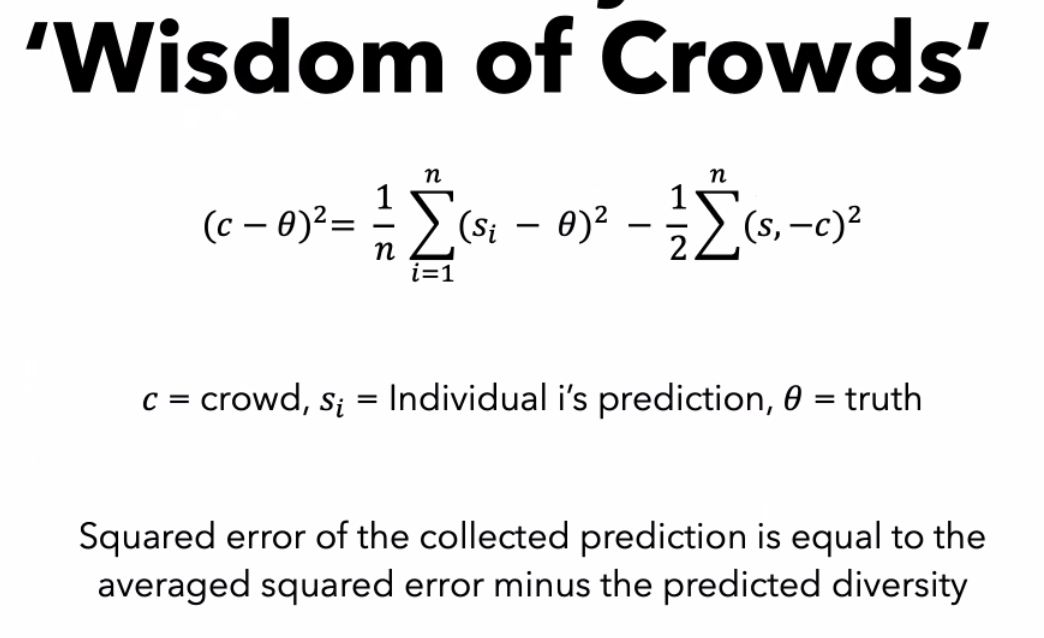

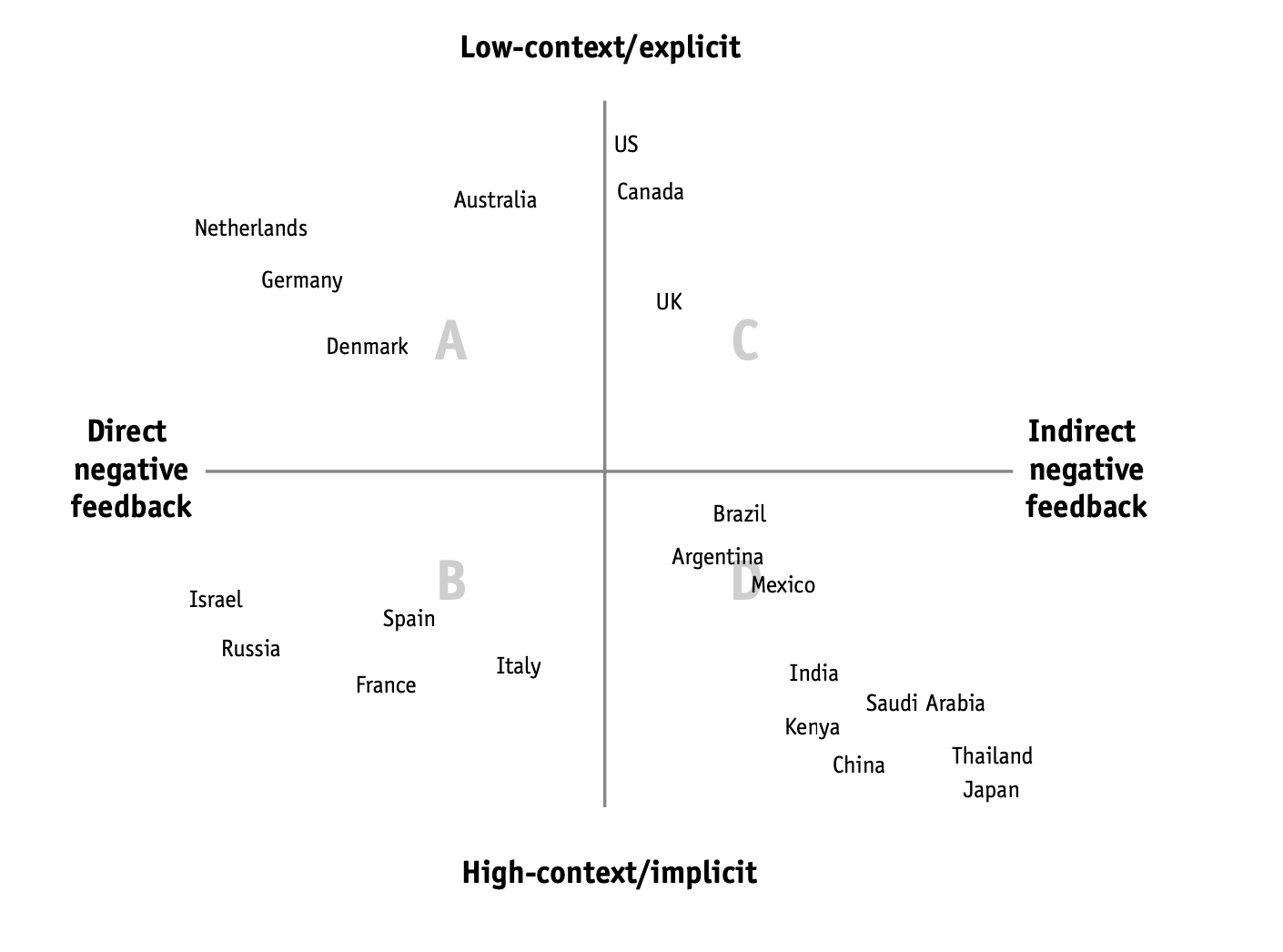




 juliefoxcroft.com